Creating a home apothecary begins with understanding that every jar, bottle, and label represents knowledge as much as it represents a plant. A structured online herbal medicine course turns scattered information into a coherent system, guiding the selection of essential herbs, core tools, and safe preparation methods. Instead of random purchases, each item in the home collection serves a defined purpose in daily wellness routines.
How an Herbal Course Shapes a Thoughtful Apothecary
Professional training lays the foundation before a single herb is added to the shelf. A comprehensive herbalism online course typically starts with basic botany, plant identification, and the language of herbal actions, such as nervines, adaptogens, and carminatives. This framework helps learners evaluate which herbs truly deserve a place in a small, efficient home apothecary.
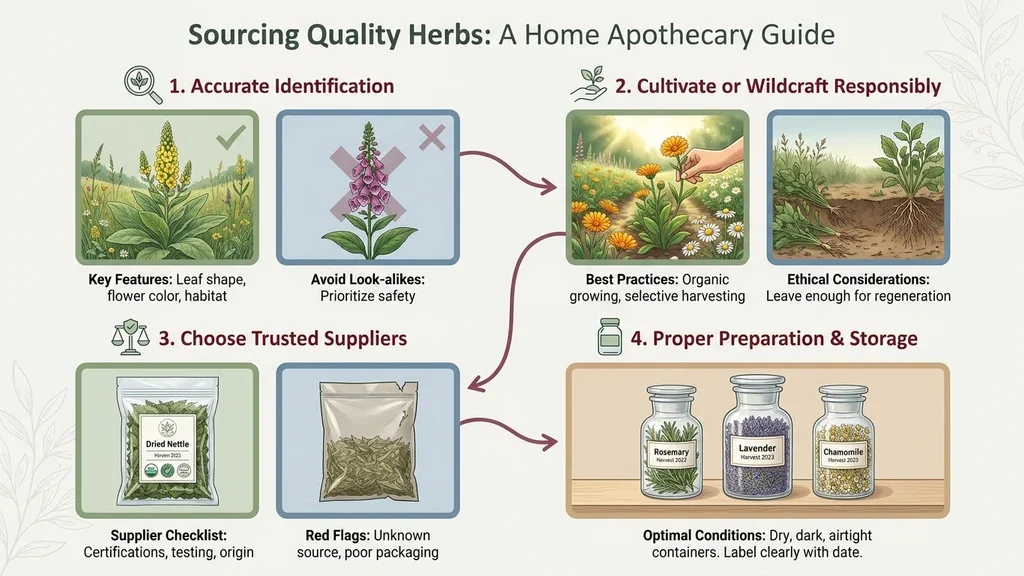
Participants gain clarity on sourcing high-quality plant material, understanding harvest times, and choosing between dried versus fresh herbs. Lessons on storage, light exposure, and shelf life ensure that each jar remains potent and safe over time, preventing waste and maintaining reliability.
Core Components Taught in an Online Herbal Medicine Course
A well-designed online herbal medicine course typically emphasizes a small set of versatile herbs rather than an overwhelming catalog. Calming nervines, supportive digestive herbs, immune allies, and topical botanicals for skin care often form the backbone of an efficient home setup. Learners discover how a limited palette of plants can cover a wide spectrum of everyday needs.
Essential Tools and Preparations
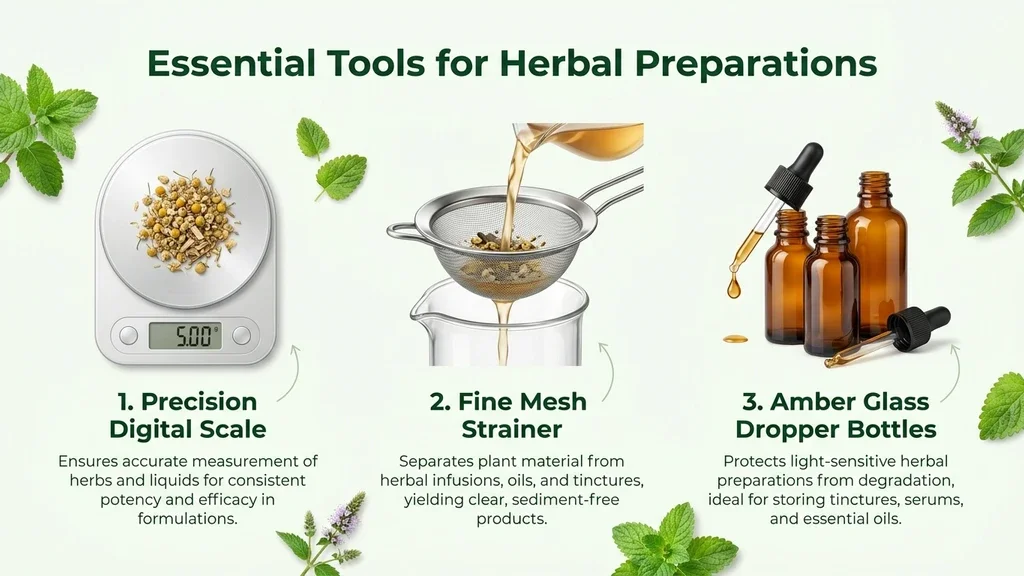
Alongside herb selection, coursework usually covers the essential tools of the trade. Clear demonstrations of teas, tinctures, infused oils, and syrups show how these tools work together, allowing participants to move from theory to practice in a methodical, confident way.
- Glass jars and amber bottles for optimal storage
- Strainers and measuring scales for precise formulation
- Labeling systems to track batches and ingredients
Learning to Work Safely with Plants
Safety is central to every natural medicine online course that aims for professional standards. Students learn to differentiate between culinary herbs, stronger medicinal plants, and species that must never be used. Dosage ranges, contraindications, and potential interactions with medications are addressed with up-to-date references and case examples.
Responsible programs teach record-keeping and batch documentation for each preparation. This habit supports accountability, helps track what works, and allows gradual refinement of formulas.
Building a Fully Plant-Based Apothecary
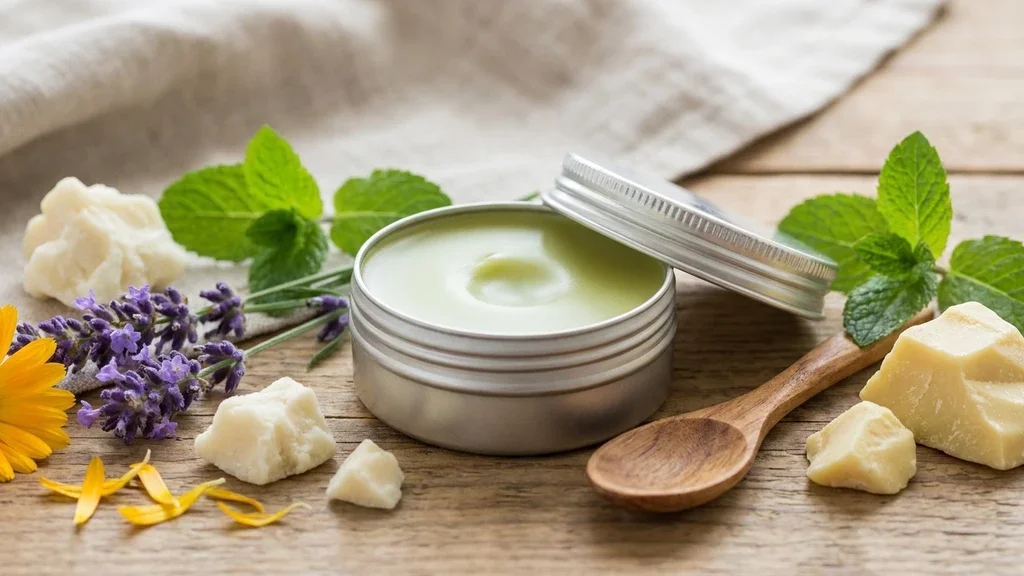
For those committed to plant-only wellness, a vegan herbal medicine course offers specialized guidance. Instead of beeswax, learners explore plant-based waxes and butters for salves and balms. Capsules, glycerites, and alcohol-free preparations receive extra attention, making it easier to align remedies with ethical and dietary priorities.
Within this framework, a comprehensive herbal medicine recipes course designed for vegans often highlights sustainable sourcing, ecological harvesting, and cruelty-free testing philosophies. The result is a home apothecary where every bottle reflects both therapeutic intention and consistent values, from ingredient list to packaging choices.
Step by Step Progression in a Herbalism Online Course
Structured digital programs make it possible to learn herbalism online in a progressive, layered way. A herbalism online course typically breaks complex topics into short video lessons, printable charts, and guided exercises, such as designing a first shelf of ten core herbs. This pacing supports retention and practical application in the home setting.
Many students combine a natural medicine online course with ongoing reference materials, building personal notebooks and formula logs. Over time, the home apothecary evolves from a few jars into a curated collection of teas, tinctures, and topical blends. With continued study, each new addition is grounded in knowledge rather than trend, turning the home apothecary into a reliable, long-term wellness resource.
Frequently Asked Questions
What are the core components of a home apothecary?
A home apothecary typically includes a small set of versatile herbs, such as calming nervines and digestive aids, along with essential tools like glass jars, amber bottles, strainers, and measuring scales.
How does an online herbal medicine course teach plant safety?
Professional courses teach students to differentiate between culinary and medicinal plants, understand dosage ranges, identify contraindications, and maintain detailed batch documentation for all preparations.
Can I build a fully vegan home apothecary?
Yes, a vegan herbal medicine course guides learners in using plant-based waxes and butters instead of beeswax, focusing on sustainable sourcing, cruelty-free testing, and alcohol-free preparations.
What is the best way to learn herbalism online?
The best approach is through structured digital programs that break complex topics into progressive video lessons, printable charts, and guided exercises to support practical application at home.