A tincture is one of the most useful remedies you can make at home. It is a concentrated liquid extract of an herb that keeps for years and takes up very little space. This guide shows you how to make herbal tinctures step by step, with both the simple folk method and the more precise ratio method, plus dosage and safety tips.
What Is a Herbal Tincture?
A tincture is made by soaking (macerating) plant material in a solvent, usually alcohol, for several weeks. The solvent pulls out the plant’s active compounds. Alcohol extracts a wide range of constituents and also preserves the tincture. Alcohol-free versions can be made with vegetable glycerin (called glycerites) or apple cider vinegar, but they are usually weaker and do not keep as long.
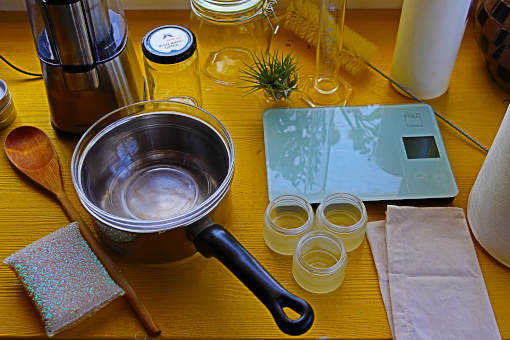
What You Need
- Dried or fresh herbs (organic if possible)
- Alcohol: 80 to 100 proof vodka (40 to 50% alcohol) works for most herbs
- A clean glass jar with a tight lid
- A kitchen scale and measuring jug (for the ratio method)
- Cheesecloth or a fine strainer
- Amber or blue glass dropper bottles
- Labels and a pen
Method 1: The Simple Folk Method
- Chop or crush the herb to increase its surface area.
- Fill the jar about halfway with dried herb, or about three-quarters full with chopped fresh herb.
- Pour alcohol over the herb until it is completely covered, with about 2 to 3 cm (1 inch) of liquid above the plant material.
- Close the jar and label it with the herb, alcohol strength and date.
- Store it in a cool, dark place for 4 to 6 weeks. Shake it every day or two.
- Strain through cheesecloth, squeezing out as much liquid as you can.
- Pour into dark glass bottles and label them.
Method 2: The Weight-to-Volume Ratio Method
Herbalists often use ratios so every batch has the same strength. The ratio compares the weight of herb to the volume of liquid:
- Dried herbs: usually 1:5, for example 50 g dried herb to 250 ml alcohol
- Fresh herbs: usually 1:2, for example 100 g fresh herb to 200 ml alcohol (use higher-proof alcohol, because fresh plants contain water)
Weigh the herb, measure the alcohol, combine them in a jar and continue as in the folk method. Write the ratio on the label.
Which Alcohol Strength Should You Use?
- 40 to 50% (80 to 100 proof): most dried leaves and flowers, such as chamomile, lemon balm and peppermint
- 60 to 75%: fresh herbs and resinous roots
- Above 75%: resins such as myrrh
Good Herbs for Beginners
- Chamomile: calming and supports digestion
- Lemon balm: relaxing and uplifting
- Echinacea: traditionally used for immune support
- Ginger: warming and helpful for nausea and digestion (see benefits of ginger)
- Calendula: soothing for the skin and digestive lining (see uses of calendula)
How to Take a Tincture
A common adult dose is 1 to 2 ml (about 20 to 40 drops) in a little water, up to three times a day. Doses vary by herb, so check a reliable reference for each plant. Shake the bottle before use.
Storage and Shelf Life
Store tinctures in dark glass away from heat and sunlight. Alcohol tinctures usually keep for several years. Glycerites and vinegar extracts are best used within about a year.
Safety Tips
- Identify herbs correctly. Buy from trusted suppliers if you are not sure.
- Check each herb for contraindications and drug interactions.
- Avoid alcohol tinctures during pregnancy, while breastfeeding, for children, and for people avoiding alcohol. Use a glycerite instead and seek professional advice.
- Talk to your doctor before using herbs if you take medication or have a health condition.
- Never use rubbing alcohol (isopropyl alcohol) for tinctures you plan to take internally.
Learn Tincture Making Step by Step
Tinctures are one of the extraction methods taught in our online herbalism course, alongside infusions, decoctions, infused oils and steam distillation. You can watch each method on video and practise along in your own kitchen. Next, learn how to make a vegan herbal salve or read how to make your own herbal medicine.
This article is for education only and is not medical advice.




Want to make your own natural remedies?
Learn to prepare tinctures, infused oils, vegan ointments and a natural first aid kit step by step in our online herbalism course with herbalist Shir Gutman.