Digestive discomfort is a common ailment that can disrupt daily life, leading many to seek effective alternatives to over the counter pharmaceuticals. Building a home apothecary focused on plant based solutions offers a sustainable and gentle approach to wellness. Utilizing the power of botanicals allows for personalized care, ensuring that every ingredient is vegan, natural, and free from harsh synthetic chemicals. Finding reliable natural remedies for constipation is a cornerstone of any well equipped home pharmacy.
Understanding Digestive Health and Herbal Solutions
The digestive system responds exceptionally well to botanical interventions. A holistic approach focuses on hydrating the bowel, stimulating motility, and soothing the intestinal lining. By incorporating specific plants into a daily routine, individuals can achieve consistent regularity without the dependency often associated with commercial laxatives.

Identifying the Best Natural Remedies for Constipation
Selecting the right botanicals is crucial for effective relief. The best natural remedies for constipation typically fall into categories like bulk forming agents, mucilaginous herbs, and gentle stimulants. Psyllium husk acts as a brilliant bulk forming agent, drawing water into the intestines to create softer stools. Slippery elm bark provides soothing mucilage that coats the digestive tract, reducing inflammation and easing passage. Incorporating these plants requires a foundational understanding of herbal medicine, ensuring safe and effective application.
Beyond single herbs, creating synergistic blends often yields superior results. Combining a mucilaginous herb with a mild carminative, such as fennel seed or peppermint, can prevent the cramping sometimes associated with bowel stimulation. This careful blending is a hallmark of sophisticated botanical practice, elevating a simple tea into a targeted therapeutic remedy.
Plant based remedies work harmoniously with the body, offering relief while nourishing the digestive tract with essential minerals and soothing compounds.
Gentle Relief During Special Stages of Life
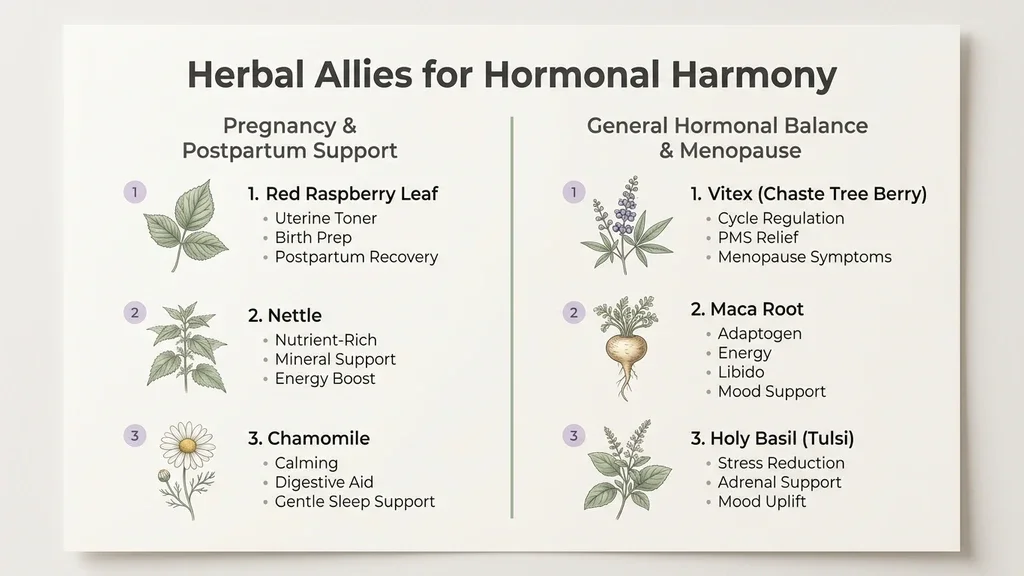
Hormonal fluctuations significantly impact digestive motility. This is particularly evident during gestation and later stages of life. Finding safe natural remedies for constipation for pregnancy requires careful consideration, as many strong stimulant herbs are contraindicated. Gentle options like soaked chia seeds, oat infusions, and magnesium rich herbs are highly preferred. Similarly, hormonal shifts can cause digestive sluggishness alongside menopause symptoms, making daily herbal support essential for maintaining overall comfort and well being.
Comparing Top Herbal Laxatives
Understanding the specific actions of different plants helps in formulating the perfect home remedy. Below is a comparison of common herbs used for digestive support.
| Herb Name | Action Type | Best Preparation Method |
|---|---|---|
| Psyllium Husk | Bulk Forming | Mixed with ample water |
| Slippery Elm | Demulcent | Cold water infusion |
| Senna Leaf | Stimulant | Short steeped tea |
| Dandelion Root | Hepatic Bitter | Decoction |
Holistic Approaches for Pets
A well rounded home pharmacy extends its benefits to animal companions. Pet owners frequently seek natural remedies for dogs with constipation to avoid harsh veterinary pharmaceuticals. Pureed pumpkin is a well known, fiber rich food that regulates canine digestion safely. Additionally, small amounts of slippery elm powder mixed into wet food can soothe a dog’s digestive tract. It is always important to verify dosages and ensure the chosen botanicals are non toxic to specific animal species before administration.

Formulating Your Own Vegan Apothecary
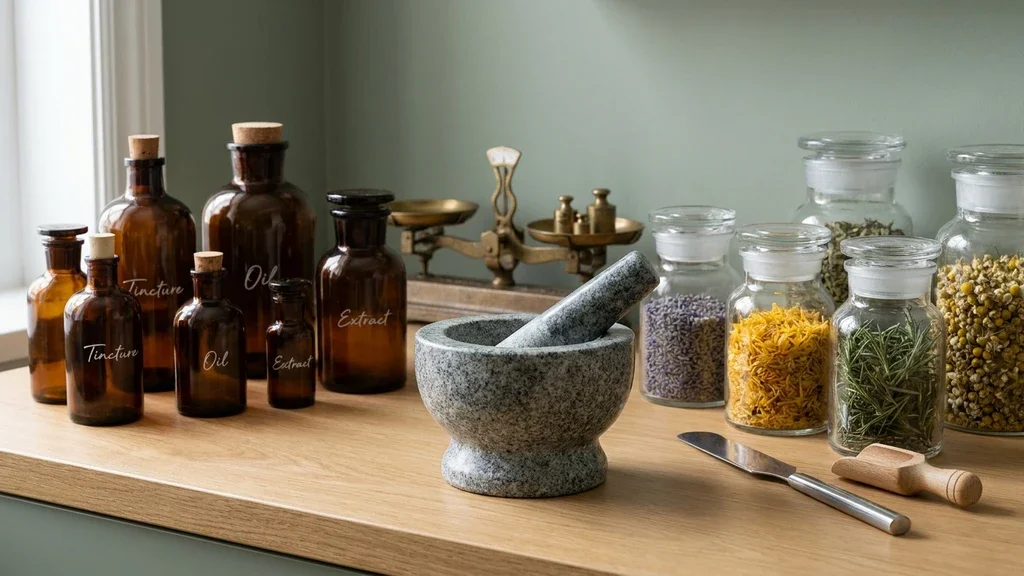
Creating effective natural remedies for constipation requires proper sourcing and storage of raw materials. Dried herbs must be kept in airtight glass containers away from direct sunlight to preserve their active constituents.
When building this collection, deciding between water based infusions and alcohol based tinctures is important. Water extracts are generally preferred for drawing out mucilage, making them ideal for soothing the gut lining. Tinctures, however, are excellent for extracting the bitter principles of roots like dandelion, which stimulate liver function and bile production to naturally lubricate the intestines.
Essential Tools for Preparation
- A high quality mortar and pestle for grinding seeds and tough roots.
- Fine mesh strainers or organic cotton cheesecloth for filtering infusions.
- Dark amber glass bottles for storing liquid extracts and tinctures.
- A digital scale to ensure precise measurements for botanical recipes.
Creating a Sustainable Digestive Regimen
Consistency is the key to maintaining optimal gut health. Relying on natural remedies for constipation should be paired with adequate hydration and a fiber rich, plant based diet. By mastering the preparation of these botanical solutions, anyone can cultivate a reliable, vegan home pharmacy that supports long term wellness without relying on synthetic interventions.
Frequently Asked Questions
How quickly do natural remedies for constipation work?
The onset time varies depending on the herb used. Bulk forming agents may take twelve to twenty four hours, while gentle stimulants can produce results overnight.
Are herbal laxatives safe for daily use?
While some gentle options like psyllium husk are safe for regular use, stimulant herbs should only be used short term. Dependency can occur if strong botanicals are overused.
Can I combine different herbs for better digestion?
Yes, formulating blends is highly effective. Combining soothing herbs with mild carminatives can enhance relief and prevent intestinal cramping.
What is the best way to store dried herbs at home?
Dried botanicals should be stored in airtight glass containers, preferably in a cool, dark place. This preserves their medicinal properties and extends their shelf life.