Spring and fall bring beautiful foliage, but for many, these seasons trigger uncomfortable respiratory reactions. Utilizing natural remedies for seasonal allergies offers a gentle, botanical approach to soothing runny noses, itchy eyes, and constant sneezing. Instead of relying solely on conventional options, turning to the natural world provides holistic support. By understanding how plants interact with human physiology, anyone can find effective relief through nature.
Understanding the Root of Allergic Responses

Allergic reactions occur when the immune system overreacts to harmless substances like pollen or dust mites. The body perceives these particles as threats and releases histamine, causing inflammation and mucus production. Exploring natural antihistamine herbs helps mitigate this rapid response without causing the severe dryness associated with synthetic alternatives. Botanical solutions aim to balance the immune system rather than simply suppressing the symptoms temporarily, focusing on long term respiratory resilience.
Top Natural Antihistamine Herbs for Relief
Nature provides an abundance of herbs for allergies that specifically target histamine release and systemic inflammation. Incorporating these plants into a daily routine can drastically improve seasonal comfort.
Stinging Nettle (Urtica dioica)
Nettle leaf is a renowned powerhouse for respiratory health. Consuming freeze dried nettle capsules or strong nettle infusions acts as a potent natural antihistamine. It effectively reduces the amount of histamine the body produces in response to allergens, making it a staple in any natural medicine cabinet.
Butterbur (Petasites hybridus)
Butterbur extracts have shown significant efficacy in relaxing swollen nasal passages and reducing airway spasms. Clinical studies suggest butterbur can be highly effective for calming allergic triggers. Always ensure the product is certified free of pyrrolizidine alkaloids for optimal liver safety.
Reishi Mushroom (Ganoderma lucidum)
Reishi is highly valued in herbal medicine for its immunomodulating properties. Rather than just blocking histamine, Reishi trains the immune system to react appropriately to environmental triggers, lowering the overall allergic threshold over time.
Formulating Herbal Allergy Relief at Home
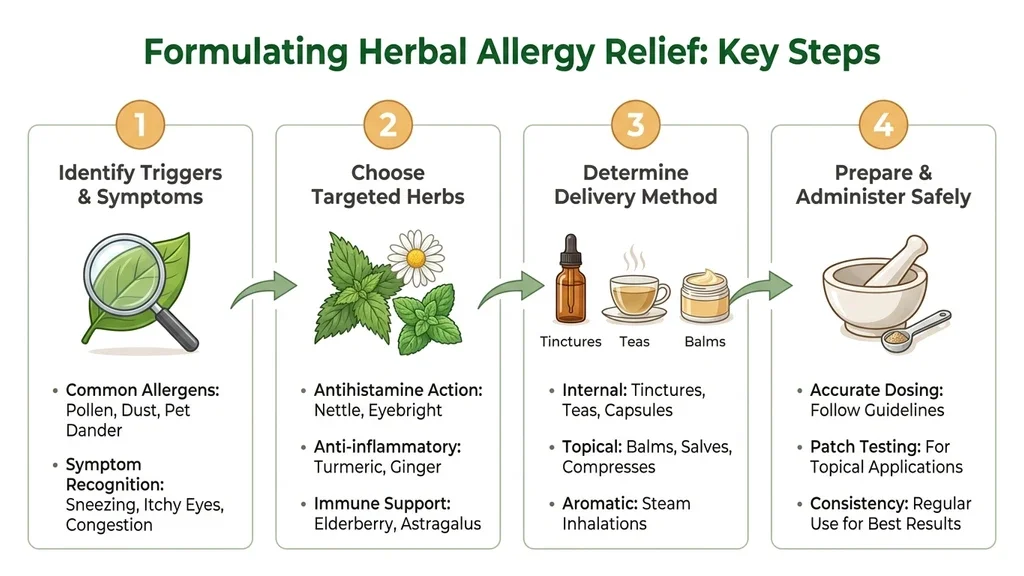
Creating personalized remedies empowers individuals to take control of their respiratory health. Integrating these botanicals into daily routines is a core component of building a reliable Home Apothecary. A well stocked natural medicine cabinet ensures that relief is always within reach when pollen counts suddenly spike. Preparing herbal teas and tinctures allows for complete control over ingredient quality.
The secret to effective herbal allergy relief lies in preparation. Starting a botanical protocol several weeks before the local allergy season begins allows the immune system to stabilize and build resilience.
Comparing Common Herbs for Allergies
Understanding the specific actions of different plants helps in selecting the right natural remedies for seasonal allergies. The following table breaks down popular botanical choices and their primary functions.
| Herb Name | Primary Action | Best Preparation Method |
|---|---|---|
| Stinging Nettle | Reduces systemic histamine production | Freeze dried capsules or overnight infusion |
| Quercetin Extract | Stabilizes volatile mast cells | Standardized botanical supplements |
| Reishi Mushroom | Modulates overactive immune responses | Double extraction liquid tincture |
| Eyebright | Soothes itchy and watery eyes | Oral tincture or cooled topical wash |
Lifestyle and Dietary Adjustments
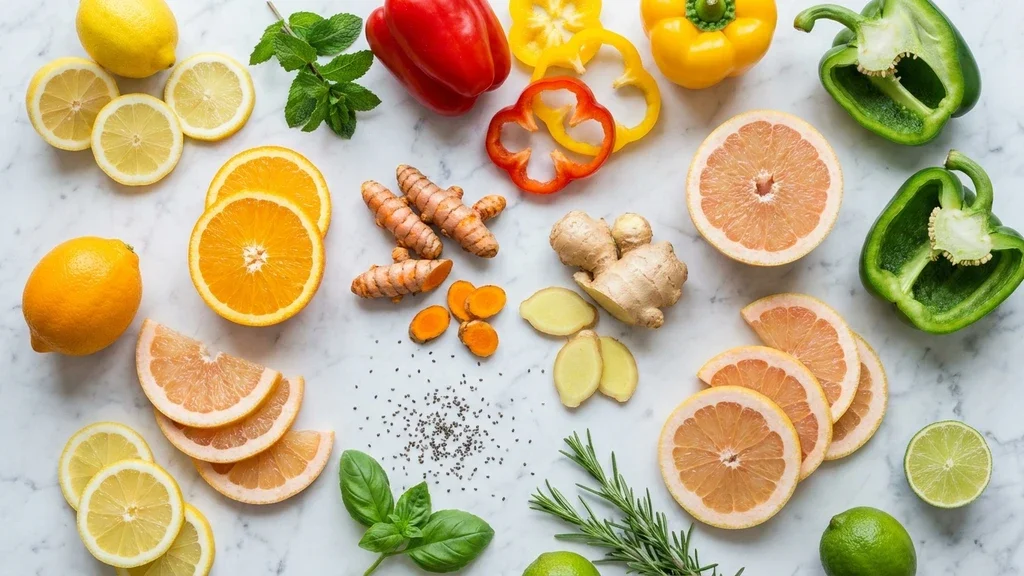
Beyond taking specific natural antihistamine herbs, dietary choices play a massive role in managing internal inflammation. Embracing a vegan, whole food diet rich in antioxidants supports the body from the inside out. A healthy gut microbiome directly correlates with a balanced immune response.

- Increase intake of vitamin C rich foods like citrus fruits and bell peppers to naturally stabilize mast cells.
- Incorporate anti inflammatory spices such as turmeric and ginger into daily meals.
- Drink plenty of filtered water to help thin mucus secretions.
- Utilize high quality indoor air purifiers to reduce environmental triggers inside the home.
Advancing Botanical Knowledge
Mastering the use of herbs for allergies requires a deep understanding of plant properties and formulation techniques. For those looking to dive deeper into vegan natural pharmacy, enrolling in a comprehensive herbalism online course provides the necessary foundational education. Structured learning environments teach the safe, effective, and ethical use of medicinal plants.
Long Term Immune Support Strategies
Consistently relying on natural remedies for seasonal allergies transforms how the body handles environmental stressors. By nourishing the immune system year round with adaptogens like astragalus root, the severity of seasonal reactions often diminishes. Astragalus helps build deep immune reserves when taken during the winter months, preparing the body for the spring pollen surge. Building this kind of resilience is the ultimate goal of holistic herbalism.
Frequently Asked Questions
What are the best natural antihistamine herbs?
Stinging nettle and butterbur are among the most effective botanicals for reducing histamine production. They help calm the immune response without causing drowsiness.
How long does it take for herbal allergy relief to work?
While some herbs offer immediate soothing effects, building true respiratory resilience takes time. It is highly recommended to start a botanical protocol several weeks before pollen counts rise.
Can I use herbs for allergies alongside conventional options?
Many botanicals can be used as complementary support, but interactions can occur. Consulting with a clinical herbalist or healthcare provider ensures safe and effective integration.
Are natural remedies for seasonal allergies safe for daily use?
Most gentle herbs like nettle and reishi are safe for daily consumption and actually work best when taken consistently. However, sourcing high quality, uncontaminated plants is essential for long term safety.





Written by Shir Gutman, clinical herbalist, aromatherapist and founder of Gutman Herbs. Shir trained for three years at the Merav Institute for Alternative Pharmacy and comes from four generations of natural medicine healers.
Last updated: October 22, 2026. This article is for education only and is not a substitute for medical advice. Check with your doctor before using herbs, especially if you are pregnant, breastfeeding, taking medication or have a health condition.
Want to make your own natural remedies?
Learn to prepare tinctures, infused oils, vegan ointments and a natural first aid kit step by step in our online herbalism course with herbalist Shir Gutman.