Digestive discomfort affects millions of individuals globally, prompting a significant shift toward botanical solutions. Incorporating natural elements into daily routines offers a gentle yet effective approach to maintaining internal balance. By utilizing specific botanical profiles, individuals can address common issues without relying on harsh synthetic compounds. The practice of using herbal remedies for stomach problems has deep historical roots and continues to gain scientific validation in modern wellness communities.
Understanding How Herbs for Digestion Work
Plant-based compounds interact directly with the gastrointestinal tract to soothe irritation and promote optimal function. Certain plants contain volatile oils and antispasmodic properties that relax muscle tension in the digestive system. Utilizing herbs for digestion provides a holistic method to support the body’s natural breakdown of nutrients. This approach not only alleviates temporary discomfort but also fosters long-term vitality and nutritional absorption.
Effective Natural Remedies for Bloating
Excess gas and abdominal distension require specific botanical interventions. Identifying the right natural remedies for bloating can transform daily wellness practices. Many culinary and medicinal plants possess carminative properties, meaning they actively prevent the formation of gas or assist in its gentle expulsion from the body.
The Power of Peppermint
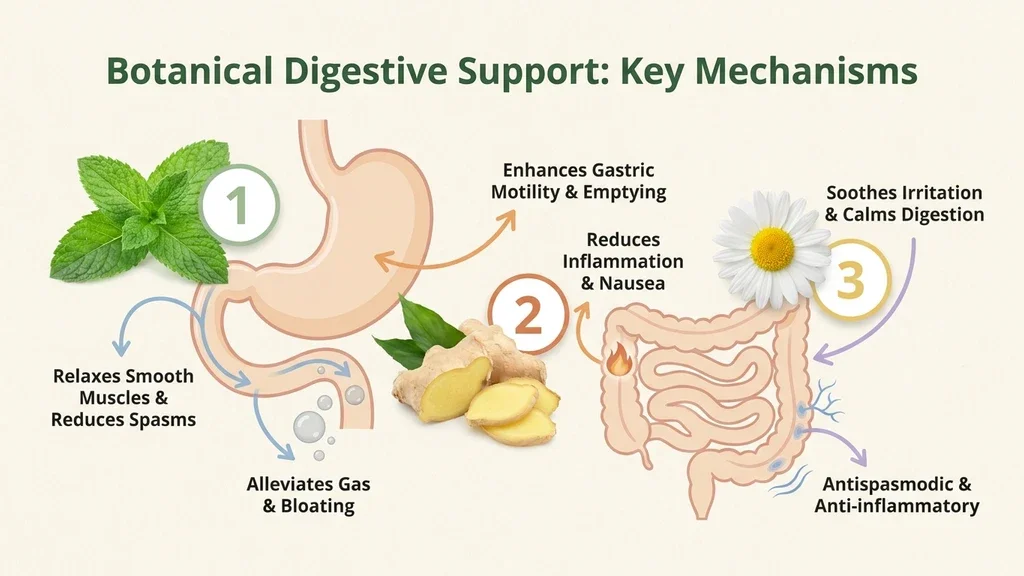
Peppermint contains menthol, a potent compound known for its antispasmodic effects on the gastrointestinal tract. Consuming peppermint tea or utilizing its essential oil extracts can significantly reduce abdominal spasms. For those interested in expanding their knowledge of plant extracts, exploring an Online Aromatherapy program offers valuable insights into safe therapeutic applications.
Ginger Root Applications
Ginger accelerates gastric emptying, making it one of the most reliable natural remedies for bloating. Its active components, gingerols and shogaols, stimulate saliva and bile production. Regular consumption of ginger root infusions acts as a powerful preventative measure against post-meal sluggishness and nausea.
The Role of Herbal Bitters in Gastrointestinal Function
Bitter-tasting plants hold a special place in traditional medicine systems. When bitter compounds touch the tongue, they trigger a reflex that stimulates the production of digestive juices throughout the entire gastrointestinal tract. This makes bitter plants some of the most potent herbs for digestion available today. Dandelion root, gentian, and artichoke leaf are excellent examples of botanicals that prepare the body to process heavy or complex meals efficiently.
Incorporating these specific gut health herbs before eating can prevent discomfort before it begins. A small amount of a bitter tincture taken fifteen minutes prior to a meal acts as a powerful preventative strategy. This proactive approach often proves more effective than seeking natural remedies for bloating after the discomfort has already set in.
Essential Gut Health Herbs for Daily Use
Maintaining a robust microbiome requires consistent support from nutrient-dense plants. Incorporating gut health herbs into a daily regimen creates a favorable environment for beneficial bacteria to thrive. These plants often contain mucilage, a viscous substance that coats and protects the delicate stomach lining.
“A balanced gastrointestinal system serves as the foundation for overall vitality, and botanical interventions provide the most harmonious support for this delicate ecosystem.”
Chamomile and fennel seeds rank highly among gut health herbs due to their gentle nature. Chamomile reduces mucosal inflammation, while fennel seeds offer sweet aromatic relief for indigestion. Together, they form a cornerstone for any home apothecary focused on internal wellness.

Comparing Herbal Remedies for Stomach Problems
Selecting the appropriate botanical solution depends entirely on specific symptoms. The following table outlines various herbal remedies for stomach problems and their primary applications to help individuals make informed decisions.
| Botanical Name | Primary Application | Active Compound | Best Preparation Method |
|---|---|---|---|
| Peppermint | Relieving spasms and gas | Menthol | Hot infusion or diluted oil |
| Ginger Root | Nausea and slow processing | Gingerol | Decoction or fresh juice |
| Fennel Seed | Reducing abdominal distension | Anethole | Chewed raw or steeped |
| Chamomile | Soothing tissue inflammation | Bisabolol | Warm covered infusion |
Creating Custom Botanical Formulations
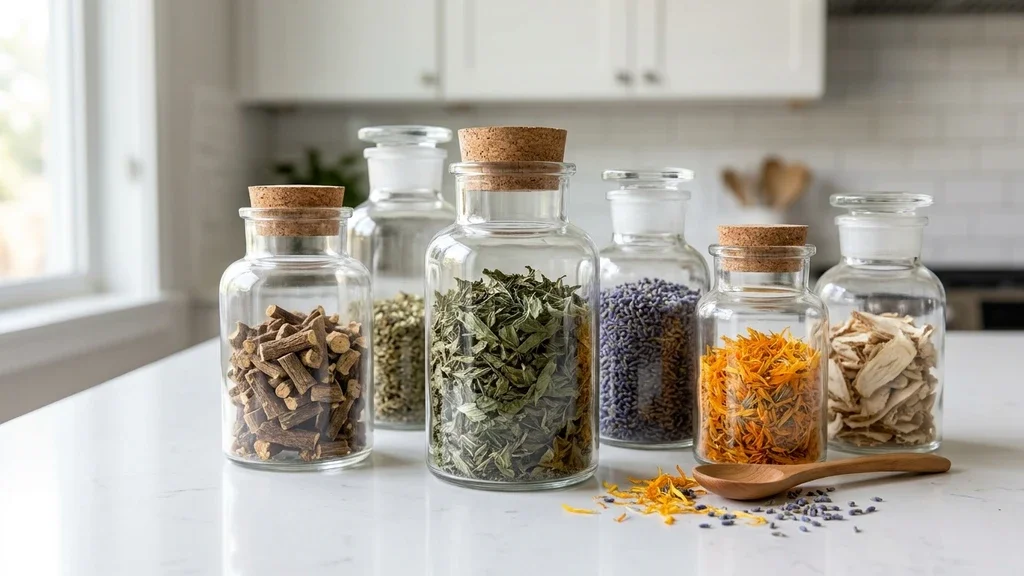
Developing personalized blends allows for highly targeted relief. Combining various herbs for digestion creates synergistic effects, where the plants naturally enhance each other’s therapeutic properties. For enthusiasts seeking to master these formulation techniques, enrolling in a comprehensive Herbal Medicine Course provides the necessary foundational knowledge to build a safe home pharmacy.

Steps for Effective Blending
When formulating herbal remedies for stomach problems, practitioners follow specific protocols to ensure maximum efficacy and safety:
- Select a primary botanical that directly addresses the main symptom.
- Add a supportive plant to enhance the primary ingredient’s action.
- Include a carminative plant to ensure the blend acts as one of the effective natural remedies for bloating.
- Incorporate a pleasant flavor enhancer to make the daily ritual enjoyable.
Integrating Plant Medicines into a Vegan Lifestyle
A plant-based diet naturally complements the use of botanical medicines. Many foods consumed in a vegan lifestyle already function as mild herbs for digestion. Spices like turmeric, cumin, and coriander can easily be added to daily meals to enhance nutrient absorption and prevent stagnation.
Furthermore, utilizing gut health herbs aligns perfectly with a cruelty-free ethos. Creating a home apothecary using ethically sourced, organic plants empowers individuals to take control of their well-being. By relying on nature’s pharmacy, finding effective herbal remedies for stomach problems becomes an accessible, empowering practice for anyone dedicated to holistic and sustainable living.
Frequently Asked Questions
What are the most effective herbs for digestion?
Peppermint, ginger, chamomile, and fennel are highly effective botanicals for supporting gastrointestinal function. They help soothe the stomach lining, reduce spasms, and promote the healthy breakdown of nutrients.
How quickly do natural remedies for bloating work?
Many botanical solutions, such as peppermint tea or ginger infusions, can provide relief within twenty to thirty minutes. Liquid tinctures often work even faster as they are absorbed quickly into the bloodstream.
Can gut health herbs be consumed daily?
Yes, gentle botanicals like chamomile and fennel are safe for daily consumption. Incorporating them into a regular routine helps maintain a balanced microbiome and prevents chronic discomfort.
How should herbal remedies for stomach problems be prepared?
Preparation depends on the plant part used. Delicate flowers and leaves require a gentle hot water infusion, while tough roots and barks need to be simmered in a decoction to extract their active compounds effectively.





Written by Shir Gutman, clinical herbalist, aromatherapist and founder of Gutman Herbs. Shir trained for three years at the Merav Institute for Alternative Pharmacy and comes from four generations of natural medicine healers.
Last updated: October 22, 2026. This article is for education only and is not a substitute for medical advice. Check with your doctor before using herbs, especially if you are pregnant, breastfeeding, taking medication or have a health condition.
Want to make your own natural remedies?
Learn to prepare tinctures, infused oils, vegan ointments and a natural first aid kit step by step in our online herbalism course with herbalist Shir Gutman.