Nature holds profound secrets for wellness and vitality. For centuries, communities across the globe have relied on the earth’s botanical treasures to support physical and mental balance. Today, a remarkable resurgence of interest in holistic health is bringing ancient wisdom back into modern households. Embracing botanical solutions allows individuals to cultivate a deeper connection with nature while fostering sustainable, plant-based lifestyles. Understanding the therapeutic properties of flora is the first step toward achieving lasting vitality.
The Foundations of Plant Medicine
Understanding how botanical elements interact with the human body is the cornerstone of natural healing. Medicinal herbs contain complex biochemical compounds that work synergistically to promote wellness. Unlike isolated synthetic compounds, plant medicine offers a comprehensive approach, addressing the root causes of imbalances rather than merely masking superficial symptoms. The intricate matrix of vitamins, minerals, and phytonutrients found in flora supports the body’s innate ability to repair and regenerate.
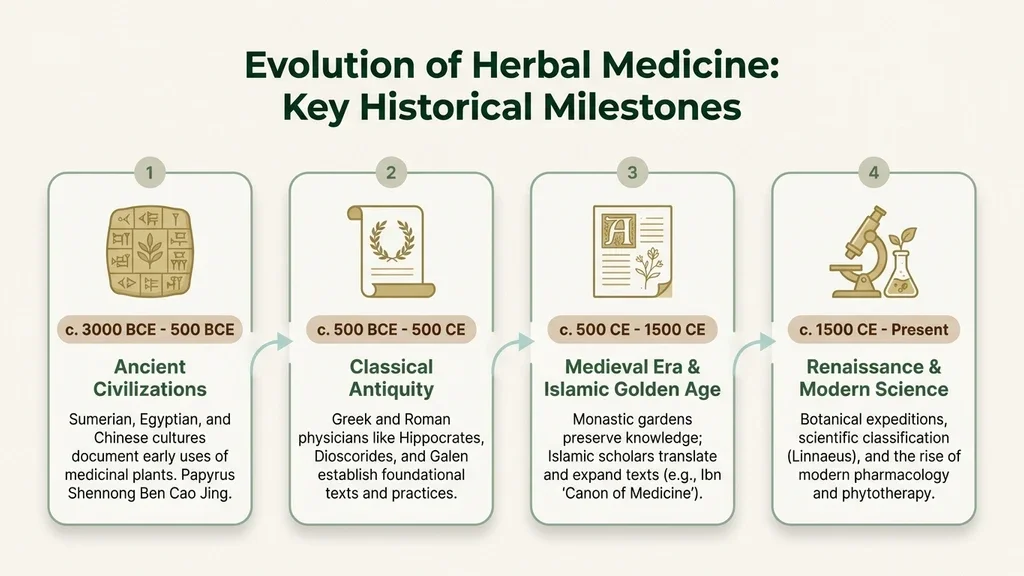
Historical records demonstrate that ancient civilizations meticulously documented the effects of various roots, leaves, and flowers. Modern research now validates many of these traditional uses, proving that herbal medicine is both an art and a science. By studying these interactions, practitioners can formulate precise remedies tailored to individual physiological needs.
Building a Natural Pharmacy at Home
Creating a personalized apothecary requires knowledge, patience, and the right ingredients. Incorporating plant-based medicine into daily routines empowers households to manage minor ailments effectively and independently. A well-stocked herbal pantry typically includes a variety of dried flowers, nutrient-dense roots, potent tinctures, and soothing salves. Sourcing high-quality, organic, and ethically wildcrafted materials is essential to ensure the efficacy of the final products.
Proper storage is equally important. Keeping botanical materials in dark glass jars away from direct sunlight preserves their volatile oils and active constituents. To truly master these preparations, enrolling in a comprehensive Herbal Medicine Course provides the structured guidance needed for safe and effective formulations.
Essential Medicinal Herbs and Their Applications
Certain plants stand out for their exceptional and versatile healing properties. Recognizing these foundational botanicals is crucial for anyone interested in herbal healing. The following table outlines some of the most reliable and widely used botanicals in the field of natural remedies.
| Botanical Name | Primary Therapeutic Benefit | Ideal Preparation Method |
|---|---|---|
| German Chamomile | Calms the nervous system and aids digestion | Warm water infusion |
| Echinacea Purpurea | Stimulates and supports immune function | Alcohol based tincture |
| Peppermint | Relieves gastric discomfort and tension headaches | Tea or diluted essential oil |
| Calendula | Promotes skin tissue repair and reduces inflammation | Topical infused oil or salve |
| Ginger Root | Alleviates nausea and improves circulation | Simmered decoction |
The Role of Aromatherapy in Holistic Health
Aromatherapy extends far beyond pleasant and relaxing scents. Utilizing essential oils for wellness is a highly effective aspect of natural healing. Volatile plant compounds interact directly with the olfactory system, rapidly influencing mood, stress levels, and cognitive function. When inhaled, these microscopic molecules travel to the limbic system, the area of the brain responsible for emotions and memories.
Safe Extraction and Application
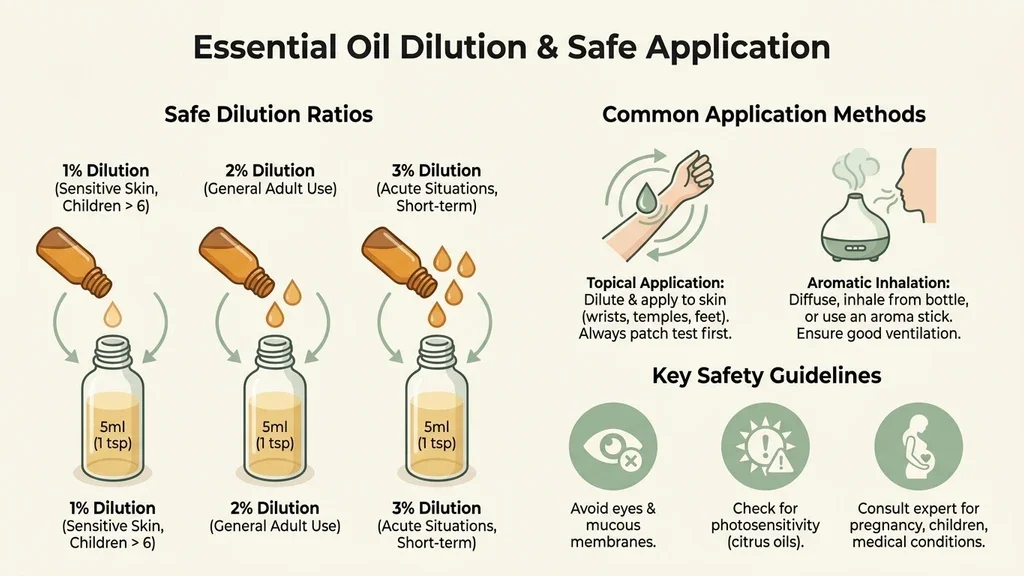
Extracting the pure essence of plants requires absolute precision. Whether through steam distillation or cold pressing, preserving the delicate integrity of the botanical material is vital for therapeutic efficacy. It is crucial to remember that essential oils are highly concentrated. Proper dilution with carrier oils, such as sweet almond or jojoba oil, is mandatory to prevent skin irritation during topical application.
Integrating Vegan Principles into Herbal Healing
A steadfast commitment to vegan natural pharmacy ensures that all remedies are cruelty-free and environmentally sustainable. Plant medicine aligns perfectly with ethical consumption, avoiding animal byproducts entirely. Traditional recipes often call for beeswax or honey, but vegan alternatives are readily available and equally effective. Candelilla wax or carnauba wax provide excellent texture for balms, while agave nectar or maple syrup serve as perfect bases for herbal syrups.
“True wellness encompasses not only the health of the individual but also the vitality of the planet and all its inhabitants, reflecting a deep respect for all living beings.”
By choosing cruelty-free and sustainable ingredients, dedicated practitioners of Herbal Medicine uphold a standard of compassion that profoundly enhances the healing process.
Practical Preparation Techniques
Mastering the art of herbal remedies involves learning various preparation methods. Each specific technique is designed to extract different active constituents from the medicinal herbs, ensuring maximum potency. Understanding these methods allows for the creation of a diverse and effective home apothecary.
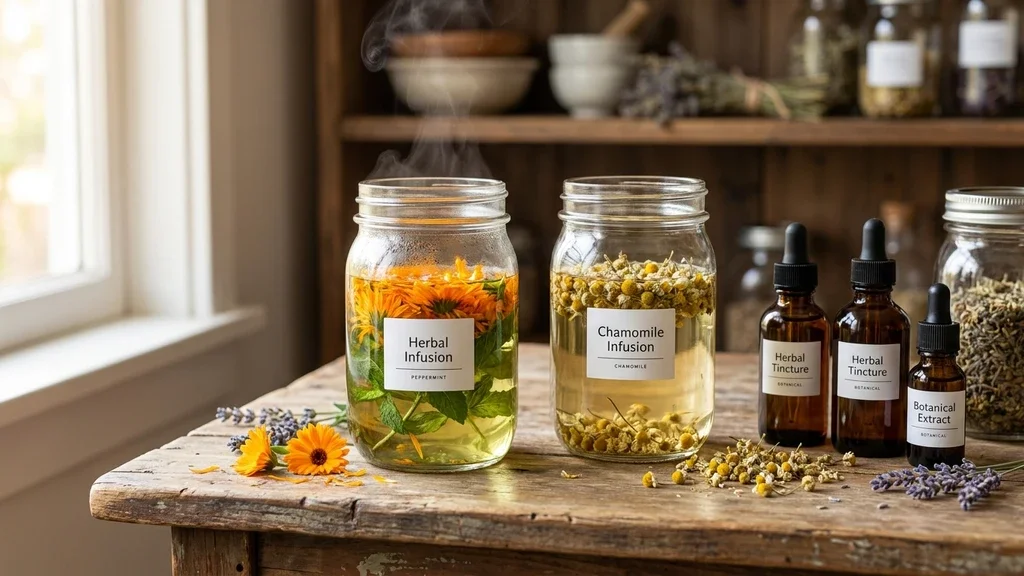
- Water Infusions: Best suited for delicate leaves and flowers, steeping them in hot water to extract water-soluble vitamins and gentle essential oils.
- Robust Decoctions: Ideal for tough roots, barks, and seeds, requiring a gentle simmer to break down cellular walls and release deep-seated minerals.
- Alcohol Tinctures: Utilized for extracting robust alkaloids and resins, offering a long shelf life and rapid absorption.
- Oil Macerations: Involves soaking herbs in carrier oils over several weeks to create the foundation for topical salves and soothing balms.
The Future of Botanical Wellness
As modern science continues to validate traditional practices, the integration of natural healing modalities into mainstream wellness is accelerating at an unprecedented rate. The beautiful synergy between rigorous scientific research and ancestral wisdom paves the way for a more balanced, integrative approach to health. Herbal medicine remains a timeless pillar of human vitality, offering accessible, sustainable, and highly effective solutions for generations to come.
Frequently Asked Questions
What is the main difference between herbal medicine and conventional treatments?
Herbal medicine utilizes whole plant extracts to support holistic health and address root causes of imbalances. Conventional treatments often rely on isolated synthetic compounds targeting specific symptoms.
Can anyone start practicing natural healing without prior experience?
Yes, beginners can easily start with gentle natural remedies like chamomile or peppermint tea. However, formal education is highly recommended for creating complex formulations safely.
Are all plant-based medicine preparations completely vegan?
While the herbs themselves are vegan, some traditional recipes use animal byproducts like beeswax or honey. A dedicated vegan natural pharmacy substitutes these with plant-based alternatives like candelilla wax or maple syrup.
How should medicinal herbs be stored to maintain their potency?
Dried botanicals should be stored in airtight glass containers, preferably dark amber or cobalt blue. Keep them in a cool, dry place away from direct sunlight to preserve their active therapeutic compounds.
Is aromatherapy safe for everyone to use?
Essential oils for wellness are highly concentrated and must be diluted properly before topical use. Certain oils should be avoided by pregnant individuals, young children, or pets, making proper education essential.